Evaluations, uncertainty quantification, and failure monitors for safety-critical systems, from gigawatt wind fleets to frontier language models.
Researcher, DTU Wind & Energy Systems · Visiting Researcher, Lawrence Berkeley National Laboratory

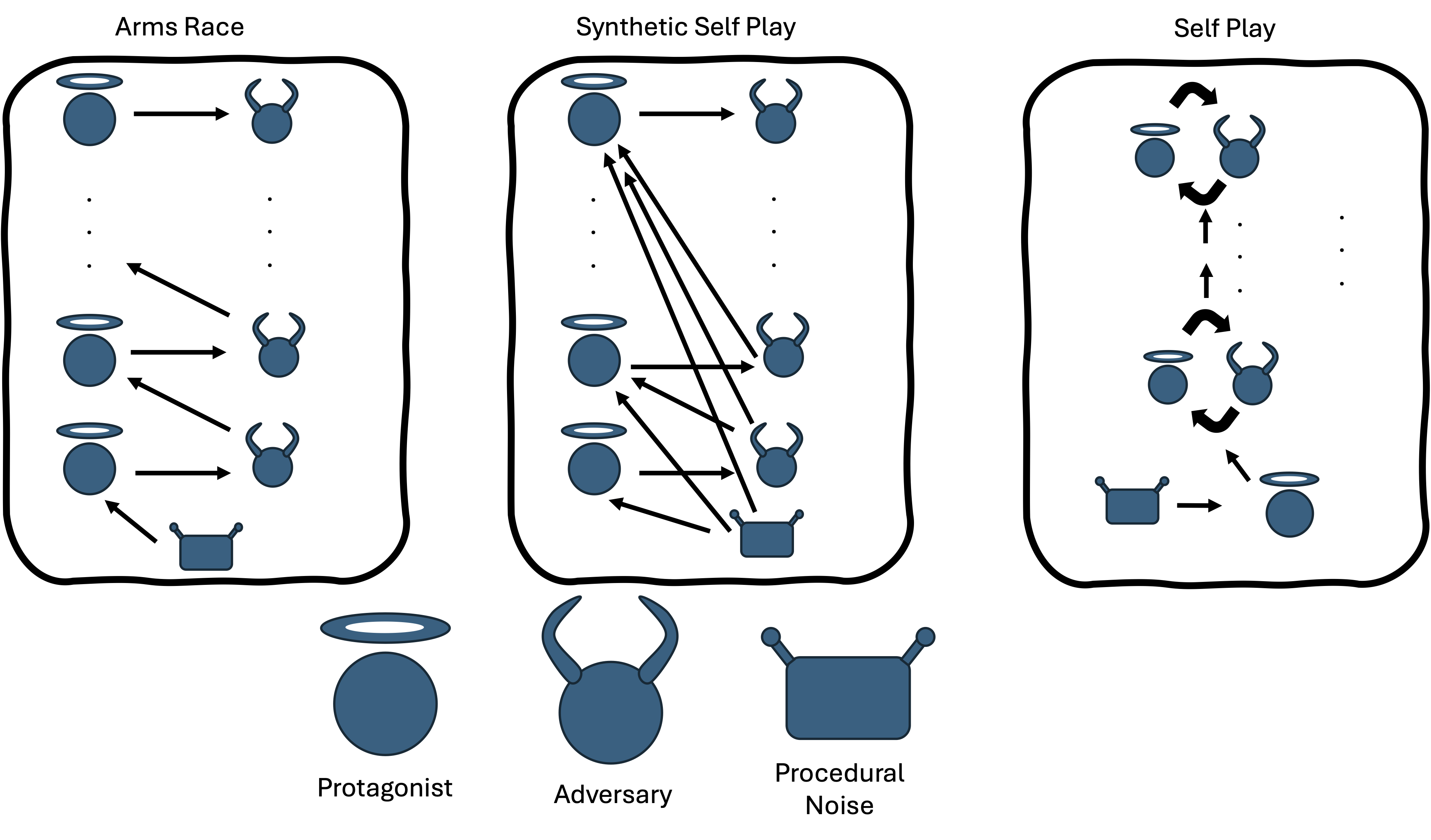
RL adversaries inject worst-case sensor corruption into fleet control; self-play training recovers from −39% power loss to +7.9% gain with no clean-environment penalty.
View framework →
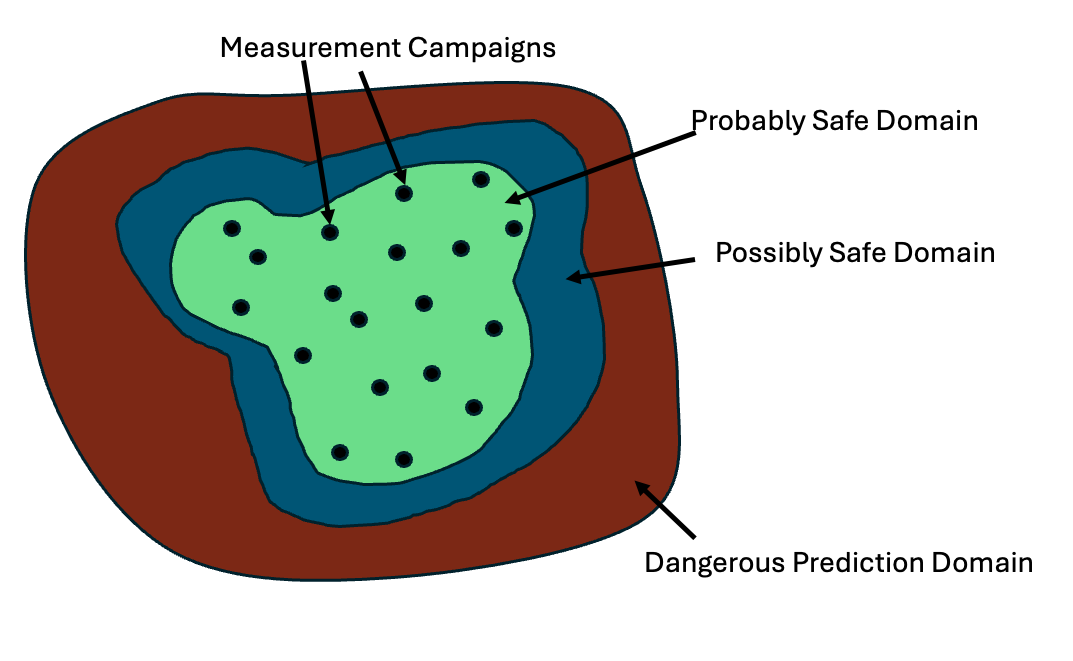
Separates epistemic from aleatoric uncertainty to focus expensive validation campaigns on high-risk conditions — 72% more scenario coverage across 5 simulation platforms.
View validation strategy →Novel SGD algorithm designing layouts for 1,200+ unit fleets, 95% faster than legacy methods; in production in tools used by 30+ companies.
View algorithm →Uncertainty-aware wake-steering control reduced critical mechanical failure risk 47% with a 0.5% revenue gain — cited 100+ times and referenced in industrial patents.
View control framework →
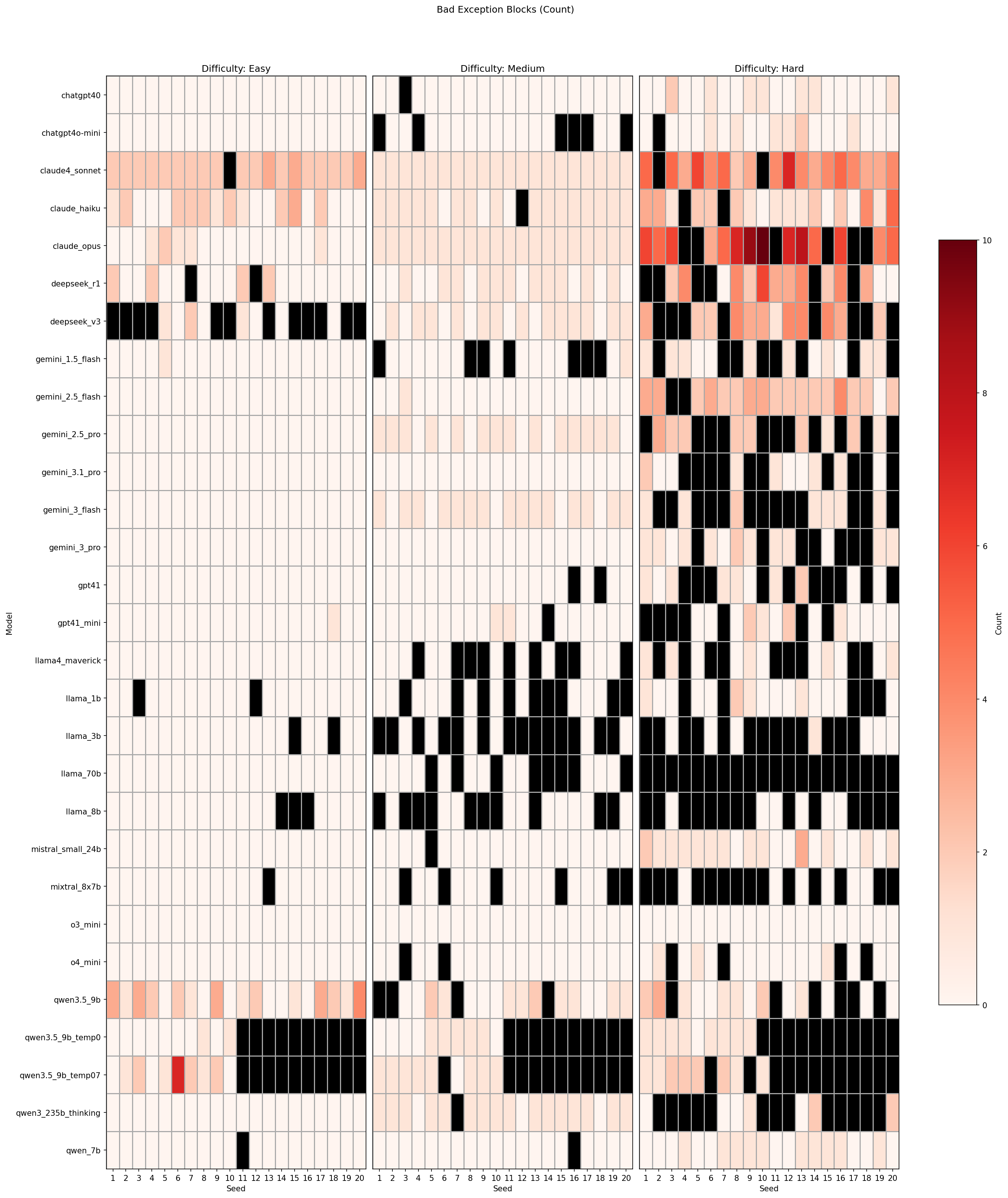
27 frontier and open-weight models across 7 provider families: 50–100% of generated exception handlers silently suppress errors on scientific-computing tasks. Shipped a static-detection CLI.
View audit →
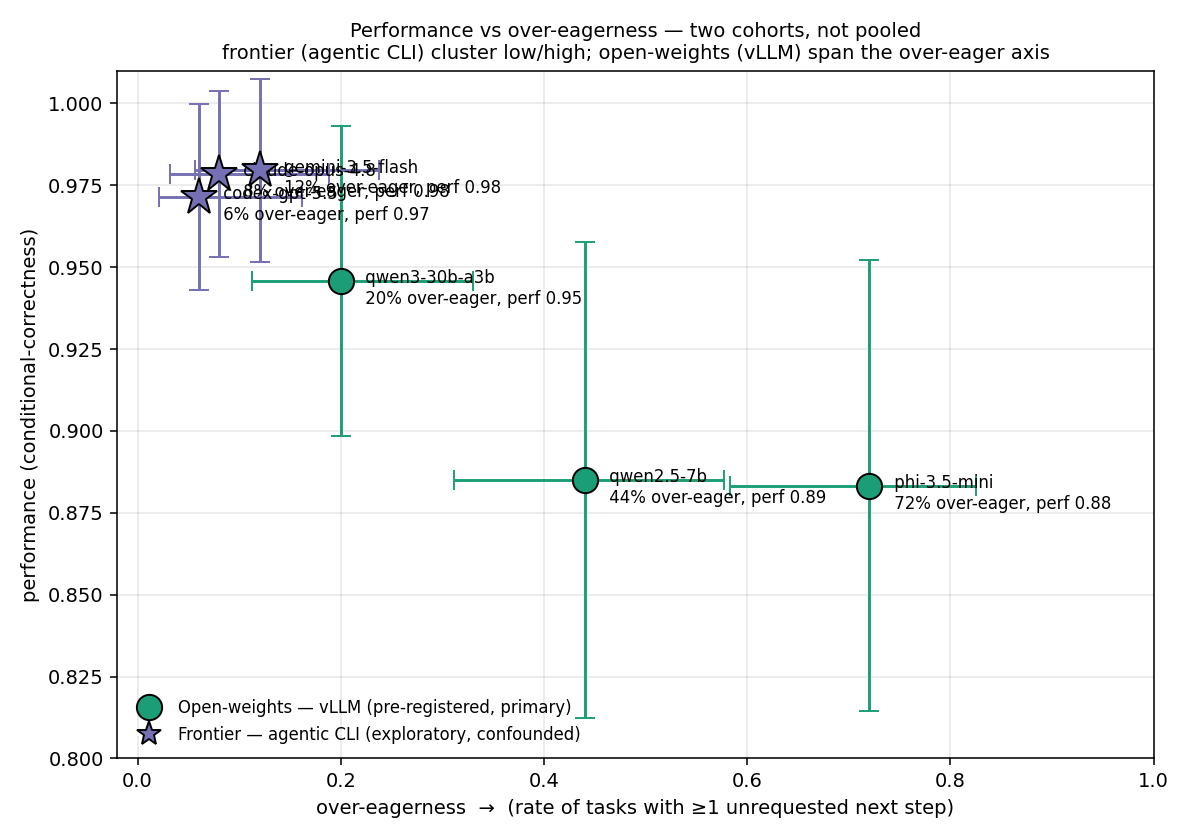
Isolates scope over-eagerness from task accuracy: models spread 20–72% on over-eagerness against ~6 points on accuracy. Every prompting intervention suppressed capability instead of calibrating behavior.
View benchmark →
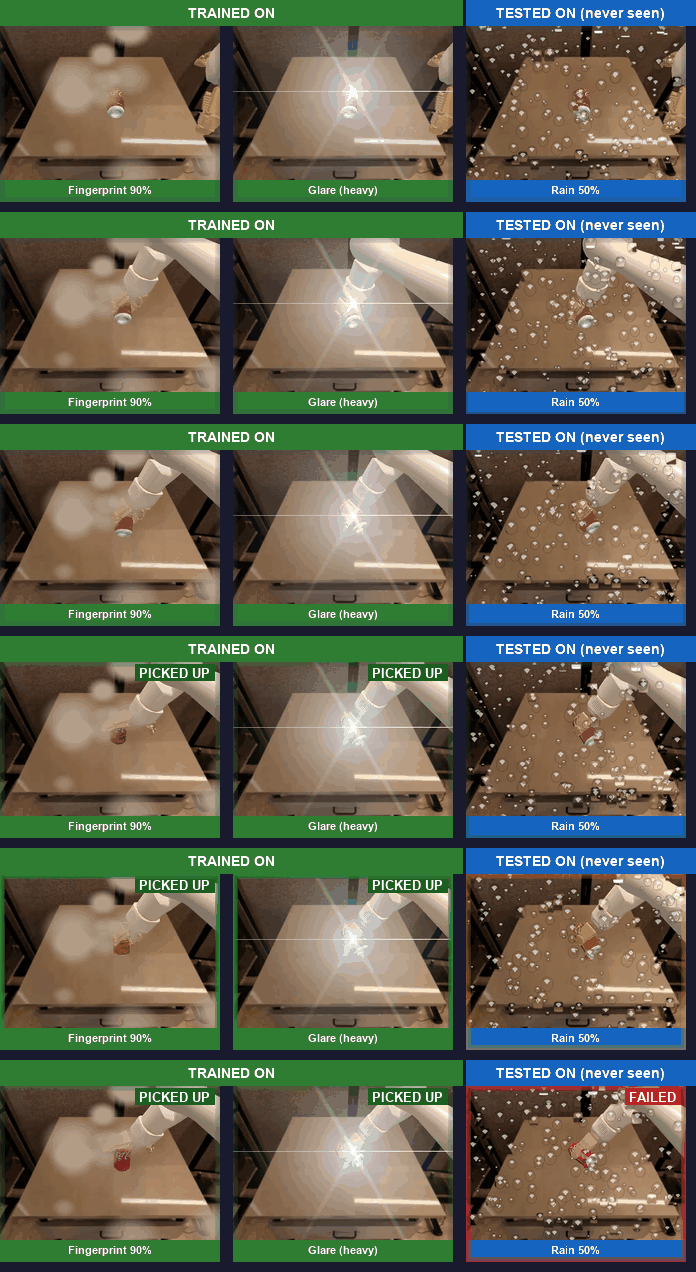
A 33K-parameter monitor predicts vision-language-action policy failure from camera corruption — AUROC 0.92 on corruption types held out of training entirely.
View monitor →Reverse-engineered a non-linearly encoded concept in a frozen language model using active subspaces, then built a stranger "pinwheel" phase encoding that defeats linear and quadratic probes, verified causally by rotating the activation plane.
View puzzle solution →Turbine fleets and language models fail differently, but the discipline of catching failure is the same: define what "working" means, measure it under conditions nobody planned for, and build the monitor that flags the moment the signal leaves the safe envelope. I spent a decade doing this for physical autonomous systems; I now do it for AI systems too.
Ph.D. Mechanical Engineering, CU Boulder, 2022. Entered AI safety via BlueDot Impact's technical program, 2026. Technical lead, IEA Wind Task 55.